
Kalari Chikitsa

Kizhi

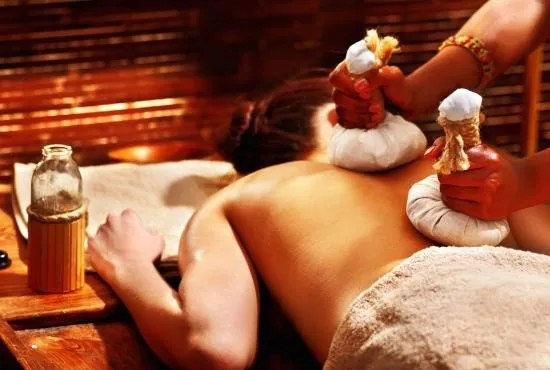
Warm bundles of medicinal herbs and leaves pressed rhythmically into stiff, aching areas.

Warm herbal kizhi bundles being pressed onto a person's back
Best for
Joint pain, old sprains, swelling
How it's given
Warm herbal bundles pressed rhythmically
How it feels
Warm, deep
Session
Confirmed at booking
Given by
Chitraprasad Gurukkal

A kizhi is a bundle. In Kalari Chikitsa it means a cloth pouch packed with medicinal leaves and herbs, heated and pressed onto the body. The warmth and the herbs work together: the heat loosens, and the ingredients are traditionally believed to draw out pain and stiffness.

The ingredients change with the season and the problem being treated, which is why no two kizhi treatments are quite the same.

Who it suits

Kizhi is often chosen for stiff joints, a back or shoulder that aches in cold weather, and old sprains that still feel weak. Because the warmth can be focused on one area, it can be given to a single joint or across a larger part of the body.

What it feels like

You will feel steady, rhythmic warmth and notice the smell of herbs and warm oil. Most people find it relaxing, though a sore area may feel tender at first.
During a session

What happens.

  1. 01

    Assessment

    The master checks the painful area and asks how and when the problem began.

  2. 02

    Preparation

    Medicinal leaves, herbs and other ingredients are tied into cloth bundles and heated in oil.

  3. 03

    Application

    The warm bundles are pressed and massaged over the area in a steady rhythm, rewarmed as they cool.

  4. 04

    Aftercare

    You'll be told how to keep the area warm and when to return.

Traditionally used for

  • Joint pain and stiffness
  • Swelling after old sprains and strains
  • Back, neck and shoulder aches
  • Sore muscles after exertion

These are traditional uses handed down through the Kalari lineage, not a promise of a medical outcome. The treatment works alongside your doctor's care.

Before you book

  • Not used on a fresh injury that is hot, red or swollen without the master's assessment.
  • Tell the master if you have diabetes or reduced sensation, as heat needs extra care.
  • Fractures must be ruled out by a doctor before treatment of an injured joint.

After your session

  • Keep the treated area warm and away from cold air or cold water for the rest of the day.
  • Follow the master's advice on when to bathe.
  • Tell the master about any redness or unusual soreness at your next visit.

Questions.

Does kizhi burn the skin?

The master checks the heat on their own hand before each application. Tell them straight away if it feels too hot.

Can kizhi be used for an old injury?

It is traditionally used for old sprains and stiff joints. The master will examine the area first, and a doctor must rule out a fracture if the injury may involve one.

Is kizhi given alone or with other treatments?

Either. It is often given with oil massage. The master decides after your assessment.

Tell us where it hurts.

Every treatment begins with a consultation and an assessment by the master. Book online and we will confirm your time. Want to learn the art instead? Classes are open to children and adults.